
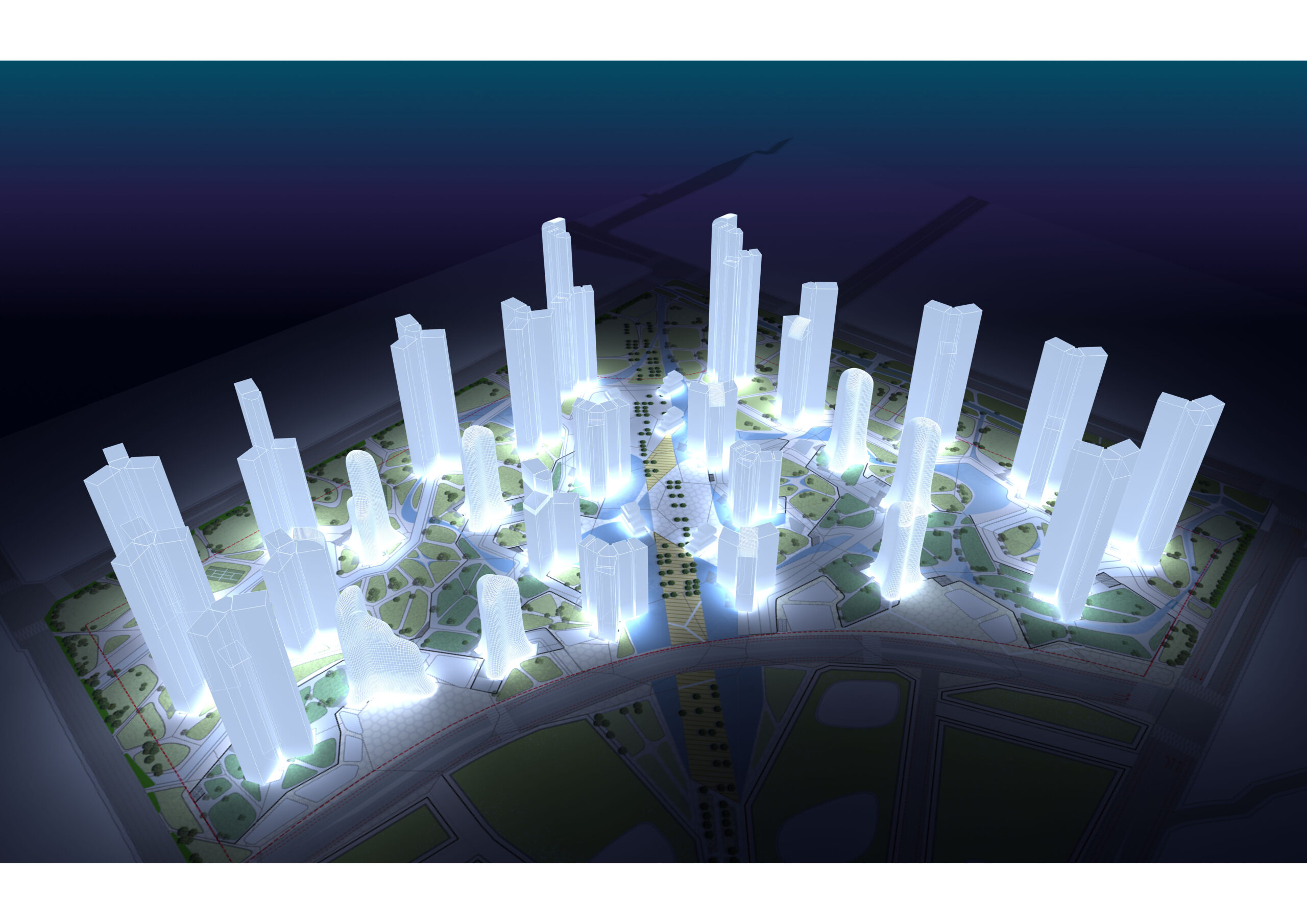
Urban Space Planning Services
We design and organise public space to create urban environments that are functional, sustainable and genuinely alive. The work spans site analysis, spatial planning, landscape integration and the strategies that improve how people move, meet and gather — building in ecological resilience from the start rather than adding it later.
That means optimising land use, strengthening connection through pedestrian and transport networks, and shaping inclusive places that hold a wide range of community life. It also means treating environmental performance — green infrastructure, climate adaptation, resource efficiency — as central to the plan, not as decoration on top of it.
Working closely with municipalities, communities and multidisciplinary experts, our aim is to shape urban areas that lift quality of life, cultural identity and environmental health together. Planning, in the end, is the act of harmonising the demands of environment, use and economy — and it carries a cultural value as much as a practical one, because in giving form to how a public life is lived, the plan shapes that life in return.
What makes a place work
The best urban places share qualities that are never accidental. They’re built to a human scale, so walking feels natural and distances feel short. They mix uses — homes, work, culture and commerce — so they stay active across the whole day instead of emptying at five o’clock. And they treat the space between buildings as carefully as the buildings themselves, because that is where public life actually happens. Density, handled well, is what makes all of this possible; handled badly, it’s what people fear. The craft of urban design lives in that difference.
Planning across scales
City-making happens at several scales at once, and we work fluently across all of them: the masterplan that sets a long-term vision and framework; the neighbourhood that gives it grain, character and a sense of place; and the individual public spaces — squares, streets, waterfronts — where that vision is finally tested against real people on an ordinary afternoon. Each scale informs the others, so the big idea and the everyday experience stay in step.
Designing for resilience
Urban space now has to do more than function — it has to adapt. We plan for a changing climate with green infrastructure that manages water and heat, planting and ecology that support biodiversity, and layouts flexible enough to evolve as a community’s needs change. A resilient public realm isn’t only robust against shocks; it actively improves the environmental health of the city around it.