A waterfront opera house competition proposal combining performance, civic space and public foyers in Copenhagen


| Project Location | Copenhagen, Denmark |
| Project Type | Cultural building, opera house, performance architecture, public foyer, waterfront civic building, competition entry |
| Project Description | A competition entry for a new Royal Danish Opera House in Copenhagen, combining performance spaces, public foyers and a civic presence on the Danish waterfront. |
| Architect | UFO Architecture |
| Project Status | Competition entry |
| Project Duration | — |
| Programme | Opera auditorium, performance spaces, public foyers, backstage areas, rehearsal and support spaces, civic gathering areas and waterfront public realm |
| Design Focus | Opera house, performance spaces, cultural architecture, civic presence, Copenhagen waterfront, public foyer, acoustic space and urban accessibility |
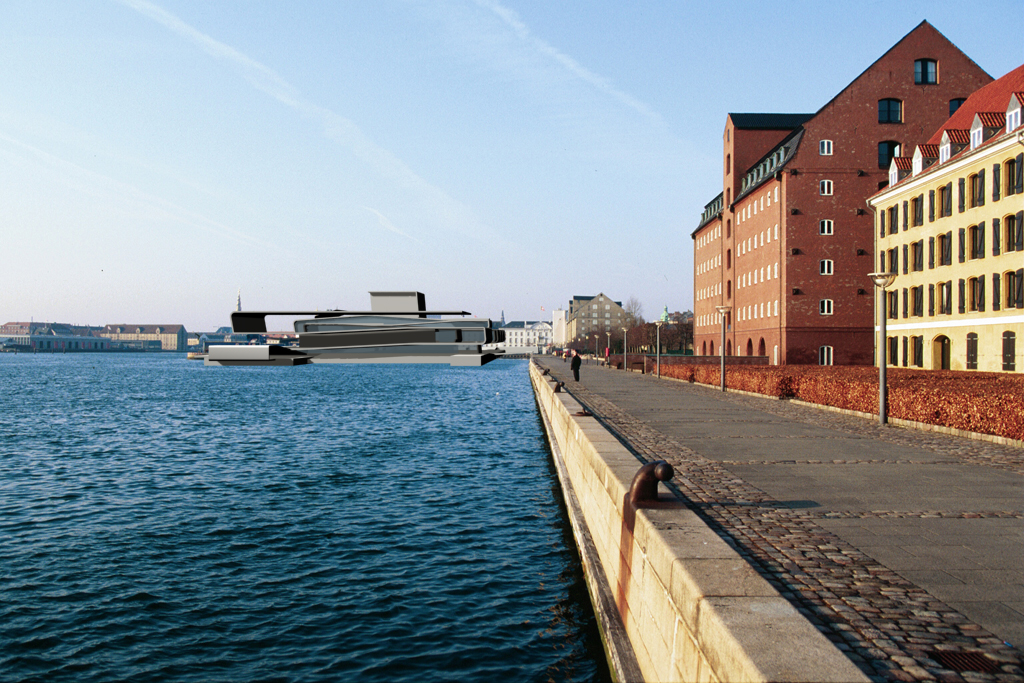
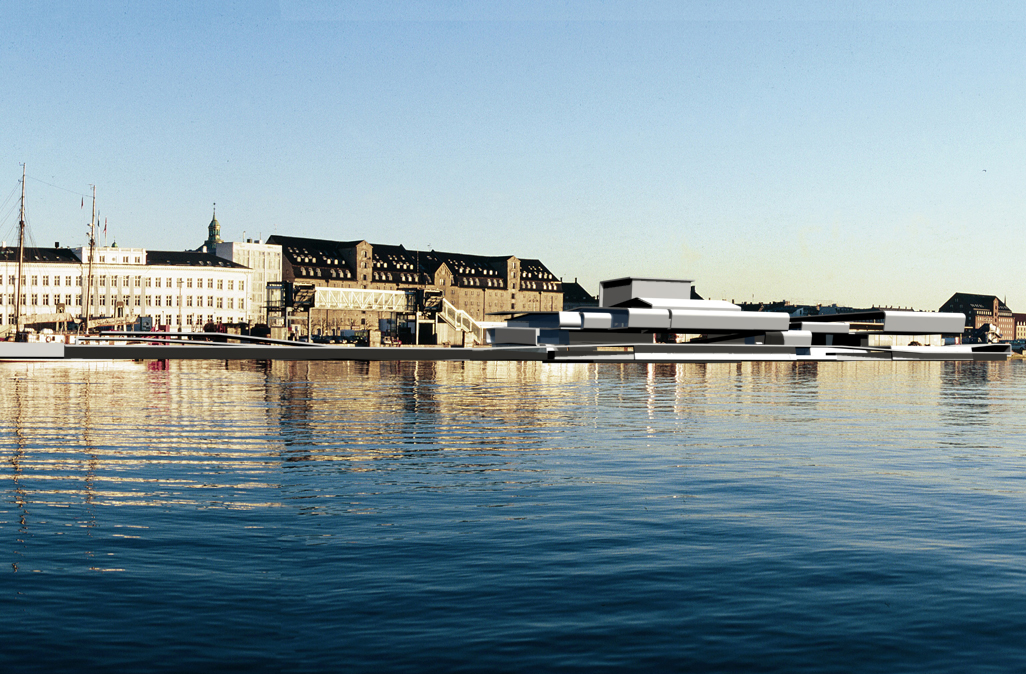
| Urban Strategy | The proposal positions the opera house as a civic waterfront building, connecting performance culture with Copenhagen’s public realm and harbour edge. |
| Performance Strategy | The project balances the acoustic, spatial and technical requirements of opera with a generous public sequence of foyers, circulation and gathering spaces. |
| Public Realm Strategy | The foyers and arrival spaces are conceived as extensions of the city, allowing the opera house to function as both a performance venue and an accessible civic interior. |
| Environmental Strategy | The design explores compact cultural building organisation, daylight, waterfront microclimate, passive public space strategies and the integration of civic architecture with the harbour landscape. |
Royal Danish Opera House is a competition entry for a new opera house in Copenhagen, Denmark. Developed by UFO Architecture, the proposal combines performance spaces, public foyers and a strong civic presence on the Danish waterfront.
The project addresses the opera house as both a highly specialised performance building and a major public institution within the city. Opera requires precise acoustic, spatial and technical conditions, but the building must also operate as a civic destination: a place of arrival, gathering, orientation and public identity.
The proposal is scaled to Copenhagen’s waterfront context, where cultural buildings contribute not only to the skyline but also to the everyday public life of the harbour. The opera house is conceived as a building that mediates between the formal world of performance and the more open, accessible life of the city.
Public foyers play a central role in the design. They are treated as civic interiors rather than simply circulation space, creating generous areas for gathering before and after performances. These spaces connect the audience to the waterfront, the city and the theatrical event, extending the experience of opera beyond the auditorium itself.
The performance spaces are organised to support the acoustic and technical demands of opera while maintaining a clear relationship to the public areas of the building. Auditorium, stage, backstage, rehearsal and support spaces are integrated within a coherent architectural framework that balances cultural ceremony with operational clarity.
The project reflects UFO Architecture’s long-standing interest in concert halls, opera houses and performance architecture. It explores how cultural buildings can combine acoustic precision, spatial atmosphere, urban accessibility and civic presence.
Royal Danish Opera House proposes a model of waterfront cultural architecture where performance, public life and city identity are developed together. The building is imagined not only as a venue for opera, but as a public landmark and civic interior for Copenhagen.