A stacked residential typology exploring Korean domestic space, landscape and shared outdoor living


| Project Location | Paju, South Korea |
| Project Type | Residential, duplex housing, stacked housing typology, landscape-integrated domestic architecture |
| Project Description | A duplex housing design study in Paju, South Korea, exploring a stacked residential typology, landscape integration and contemporary Korean domestic space. |
| Architect | UFO Architecture |
| Project Status | Unbuilt design study |
| Project Duration | — |
| Programme | Duplex homes, private living spaces, shared outdoor areas, terraces, landscape connections, circulation and domestic support spaces |
| Design Focus | Duplex housing, stacked residential typology, contemporary Korean domestic space, landscape integration, private and shared outdoor living, compact residential organisation |
| Residential Strategy | The project explores a stacked duplex typology where individual homes are organised vertically while maintaining a strong relationship to outdoor space, privacy and landscape. |
| Landscape Strategy | The housing is conceived in relation to the surrounding landscape of Paju, using terraces, outdoor rooms and shared spaces to connect domestic life with the site. |
| Typology Strategy | The proposal investigates how duplex housing can create a richer relationship between density, privacy, section, light and outdoor living within a contemporary Korean residential context. |
| Environmental Strategy | The design explores passive residential strategies through orientation, daylight, natural ventilation, shaded outdoor areas and the use of landscape as part of the domestic environment. |
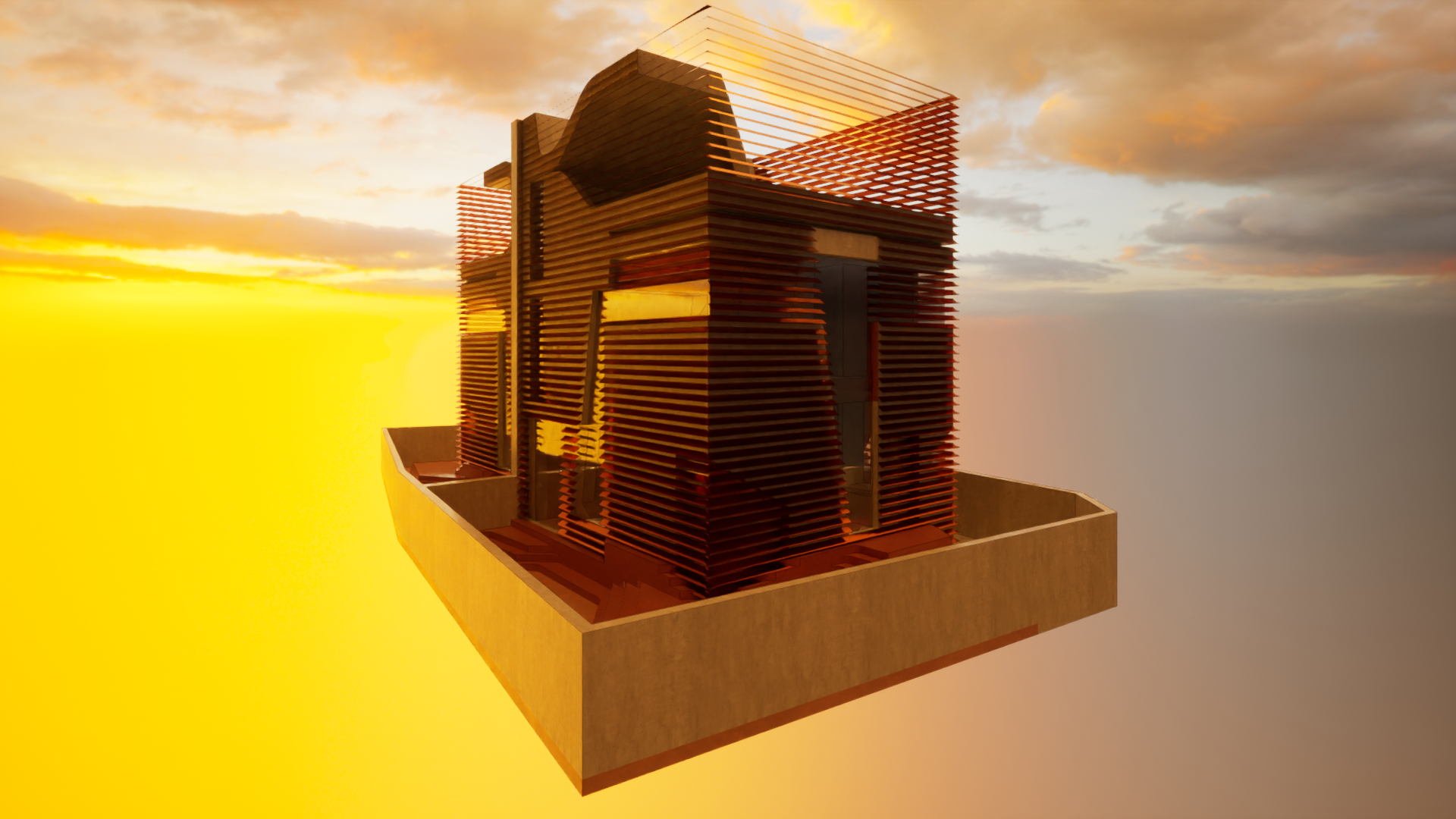
Paju Duplex Housing is a residential design study in Paju, South Korea, exploring a stacked duplex typology integrated with its landscape setting. Developed by UFO Architecture, the project investigates how contemporary domestic architecture can balance privacy, density, outdoor space and a close relationship to the surrounding environment.
The proposal develops a residential model suited to the Korean context, where housing often needs to negotiate between compact planning, family life, landscape, shared access and private retreat. Rather than treating each dwelling as an isolated unit, the project explores how duplex homes can be stacked, interlocked and connected through section.
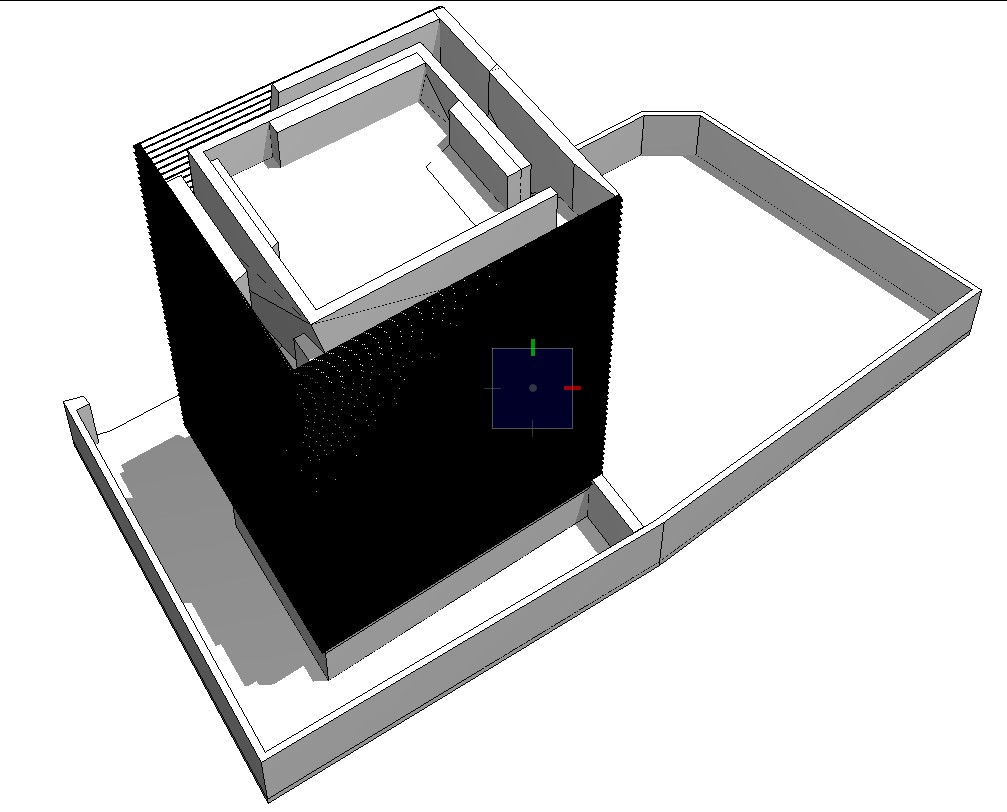
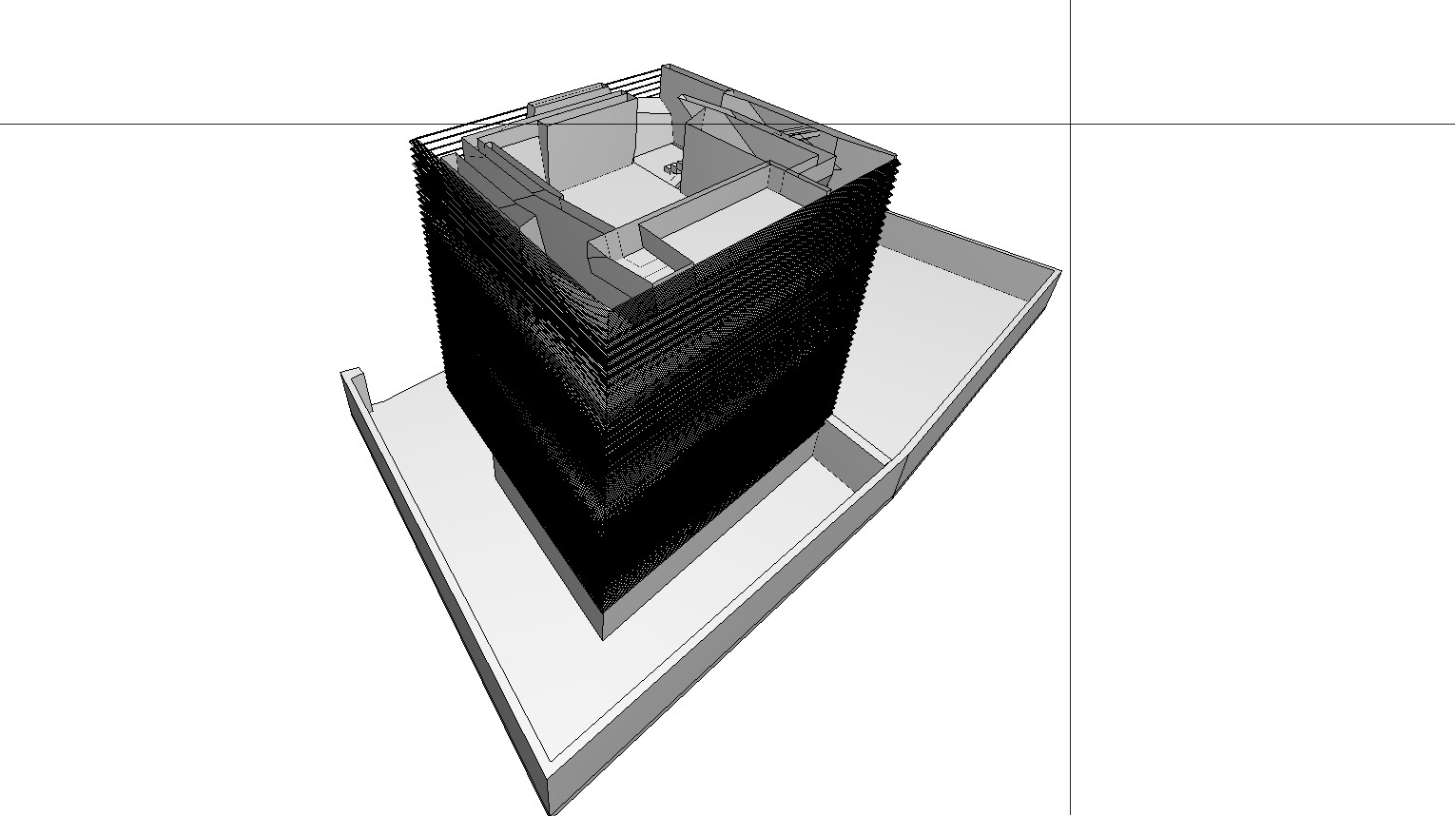
The duplex typology allows each home to have a stronger spatial identity than a conventional apartment. Living spaces, bedrooms, terraces and circulation are organised vertically, creating varied relationships between interior rooms, outdoor areas and views across the site. This sectional arrangement gives the housing a sense of individuality while still forming part of a larger residential composition.
Landscape is central to the project. Shared outdoor areas, terraces and planted spaces are used to mediate between private domestic life and the wider setting of Paju. The project explores how housing can be embedded in its site rather than simply placed on it, creating a gradual transition between interior, threshold, garden and landscape.
The proposal also considers environmental performance as part of everyday domestic life. Orientation, daylight, natural ventilation, shaded outdoor spaces and landscape cooling are treated as architectural strategies that can improve comfort while reducing dependence on mechanical systems.
Paju Duplex Housing reflects UFO Architecture's broader interest in housing typologies, landscape integration and the development of compact but generous domestic environments. The project proposes a contemporary residential model where density, privacy, landscape and social space are developed as part of one architectural system.