A future school competition proposal for flexible learning and ecological education in Lima


| Project Location | Lima, Peru |
| Project Type | Education, school, future learning environment, ecological design, competition entry |
| Project Description | A competition entry for a future school in Lima, Peru, exploring new models for education, flexible learning environments and ecological design in a South American urban context. |
| Architect | UFO Architecture |
| Project Status | Competition entry |
| Project Duration | — |
| Programme | Flexible classrooms, shared learning spaces, outdoor teaching areas, courtyards, social spaces, administration, support facilities and ecological landscape infrastructure |
| Design Focus | Education, future school, flexible learning, ecological design, outdoor learning, South American urban context, climate-responsive architecture and social infrastructure |
| Educational Strategy | The proposal explores the school as an adaptable learning environment, where classrooms, shared spaces, courtyards and outdoor areas support different modes of teaching, collaboration and informal learning. |
| Urban Strategy | The project responds to Lima as a dense South American urban context, positioning the school as both an educational institution and a civic space connected to the everyday life of the city. |
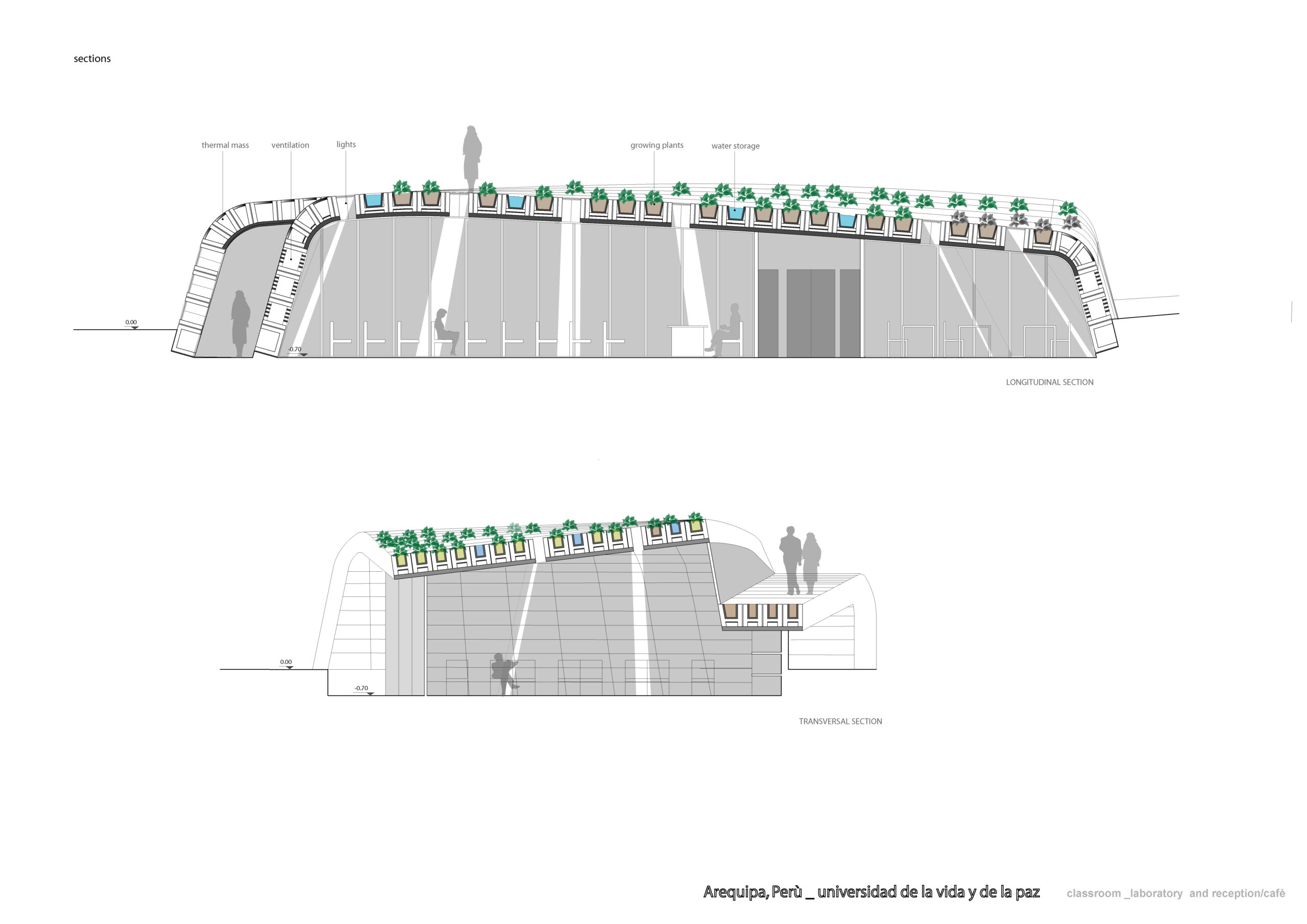
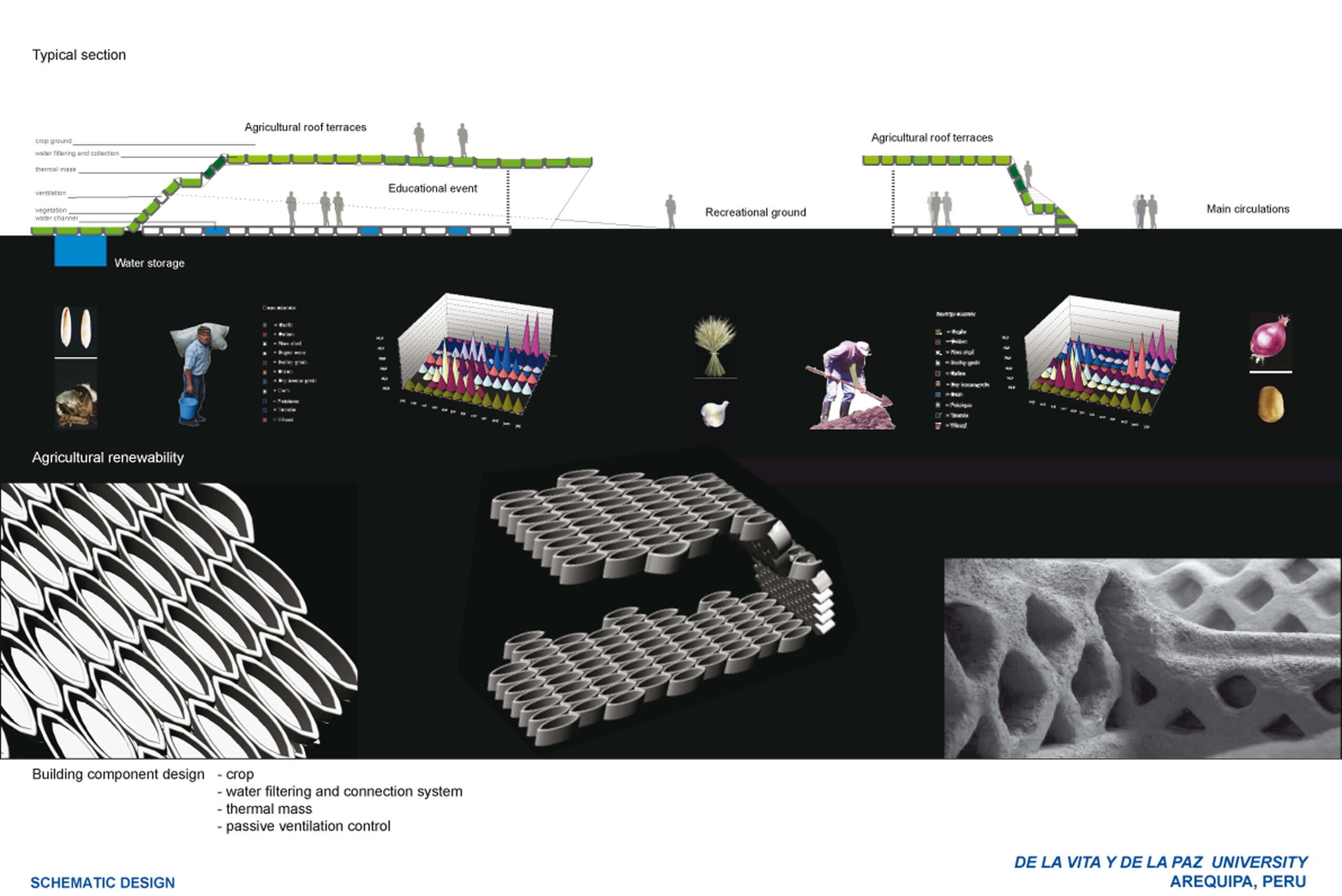
| Environmental Strategy | The design investigates ecological school architecture through passive environmental control, shaded outdoor spaces, daylight, natural ventilation, landscape cooling and the integration of planted courtyards. |
| Landscape Strategy | The school uses landscape as part of the learning environment, creating outdoor rooms, ecological teaching spaces and shaded social areas that extend education beyond the classroom. |
Lima Future School is a competition entry for a new school in Lima, Peru. Developed by UFO Architecture, the proposal explores future models for education, flexible learning environments and ecological design within a South American urban context.
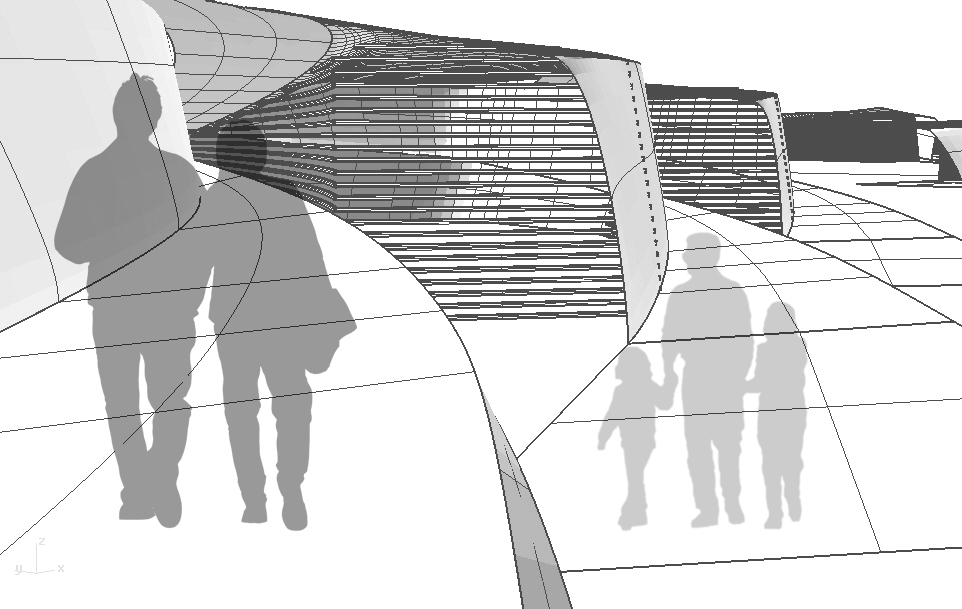
The project responds to the specific urban and climatic conditions of Lima, where questions of density, shade, air movement, outdoor space and social infrastructure are central to the design of educational buildings. Rather than treating the school as a closed institutional block, the proposal develops a more open and adaptable learning environment connected to landscape, climate and city life.
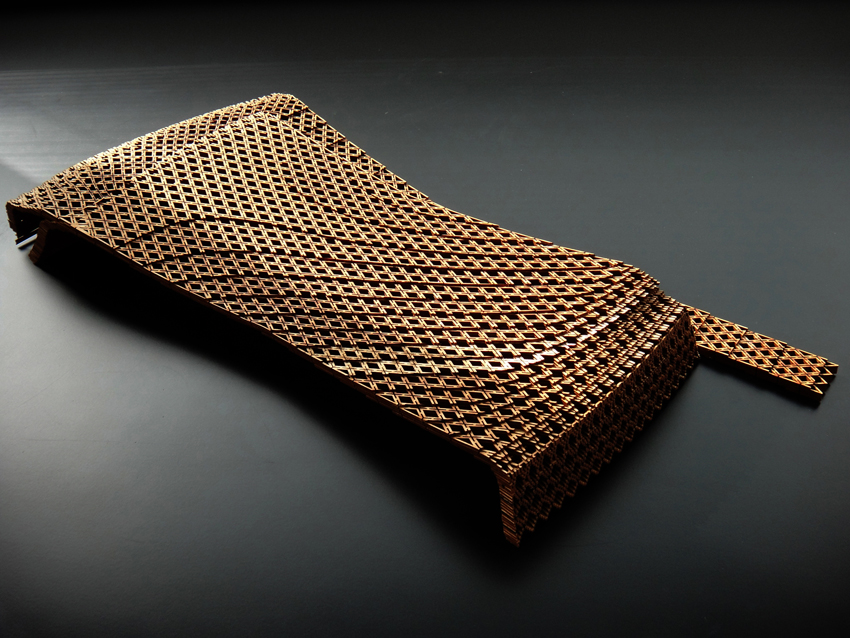
The school is organised around flexible learning spaces that can support different forms of teaching and collaboration. Classrooms, shared areas, workshops, outdoor rooms and informal gathering spaces are conceived as part of one continuous educational landscape, allowing the building to adapt to changing pedagogical needs over time.
Ecological design is integrated into the spatial organisation of the project. Shaded courtyards, planted areas, daylight, natural ventilation and outdoor teaching spaces are used to create comfortable learning environments while reducing dependence on mechanical systems. The landscape is not treated as decoration, but as part of the school’s environmental and educational infrastructure.
The proposal reflects UFO Architecture’s broader interest in sustainable public buildings, climate-responsive design and the integration of architecture with landscape systems. In Lima Future School, the educational environment becomes a place where students can experience ecology, social interaction and spatial flexibility directly through the architecture of the school.
Lima Future School proposes a model for 21st-century education where learning is not confined to the classroom. The project brings together flexible teaching spaces, outdoor learning, environmental performance and civic presence, positioning the school as an adaptable and socially engaged part of the city.