A shipyard basin redevelopment transforming an industrial waterfront into a mixed-use urban district


| Project Location | Bason Shipyards, Ho Chi Minh City, Vietnam |
| Project Type | Waterfront redevelopment, shipyard basin, mixed-use urban district, public realm, industrial heritage |
| Project Description | A competition entry for the waterfront redevelopment of a shipyard basin in Ho Chi Minh City, transforming a former industrial waterfront into a mixed-use urban district. |
| Architect | UFO Architecture |
| Project Partners | Planning Korea, Estream Architecture |
| Project Status | Competition entry |
| Project Year | 2008 |
| Programme | Mixed-use urban blocks, active waterfront, interior street, public spaces, landscape connections, commercial uses, residential or hotel towers and waterfront amenities |
| Design Focus | Waterfront redevelopment, Bason Shipyards, industrial heritage, mixed-use urban district, public realm, waterfront activation, urban blocks and tower composition |
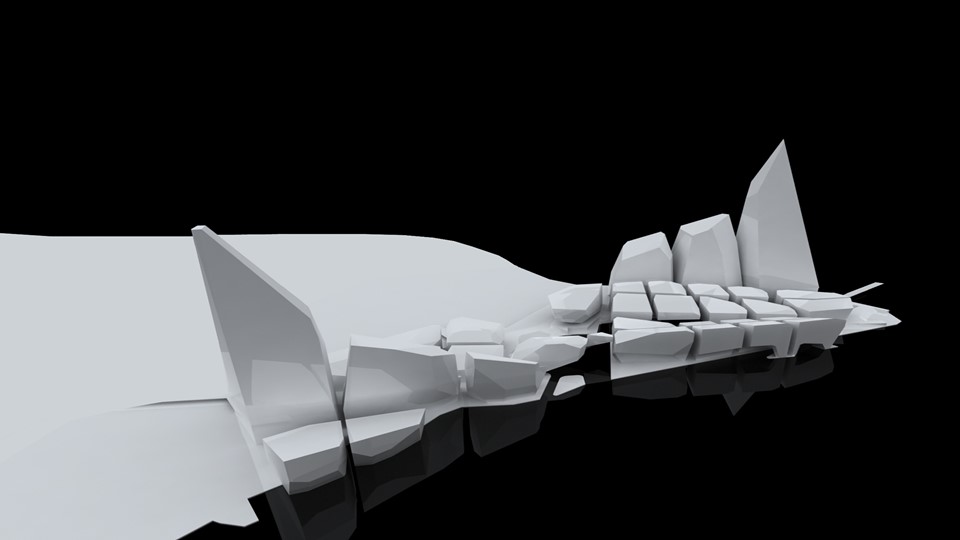
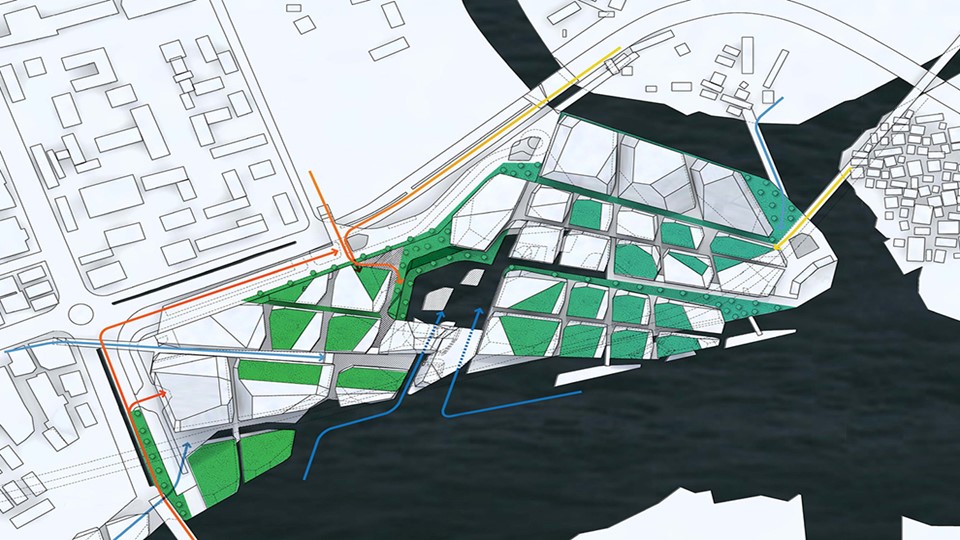
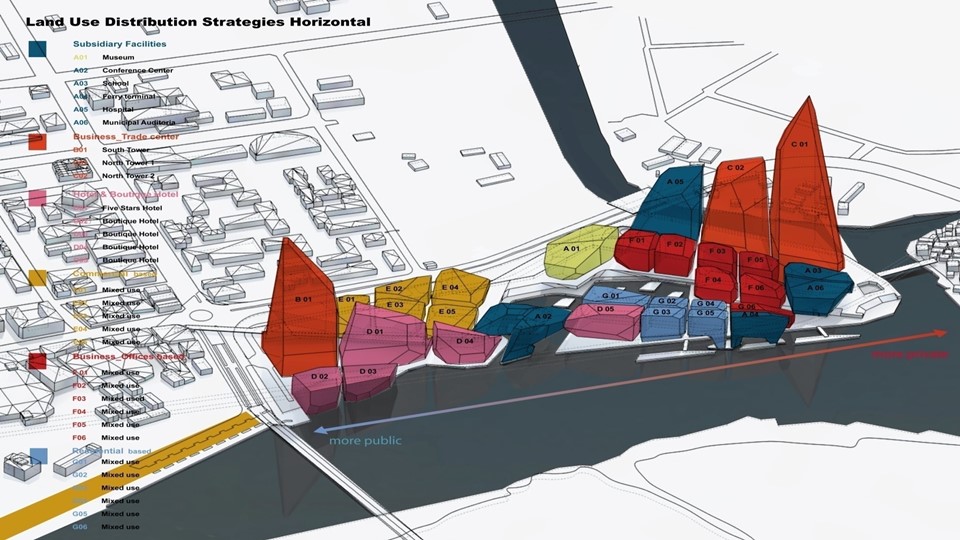
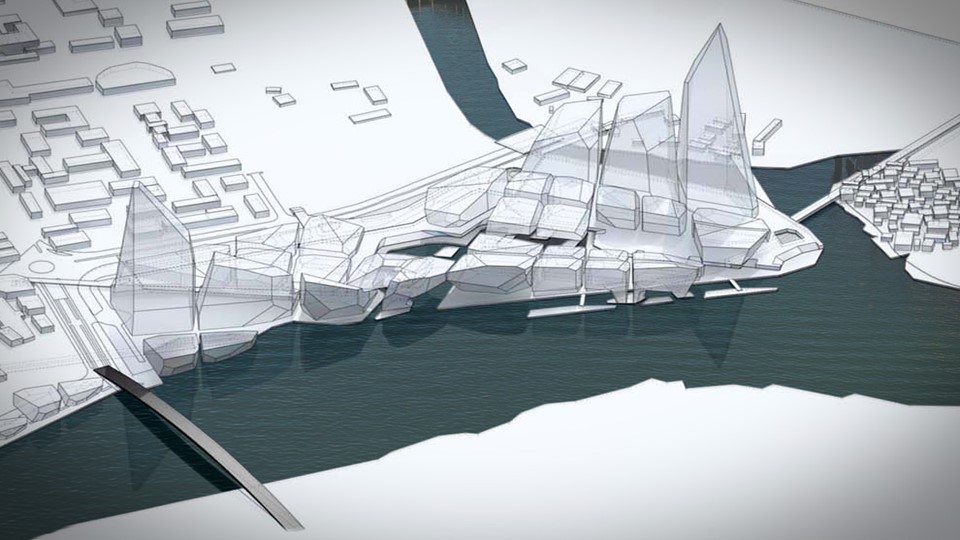
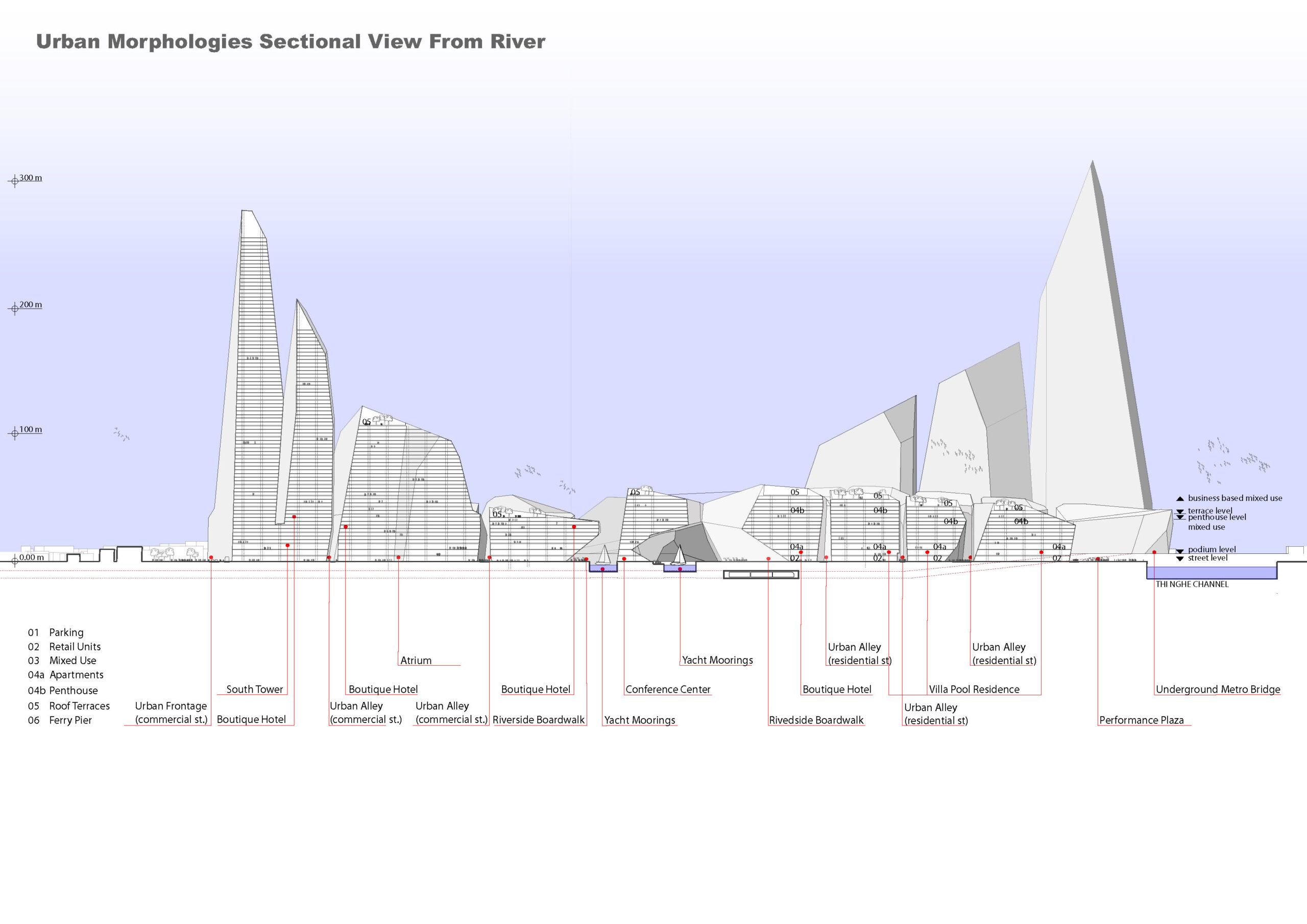
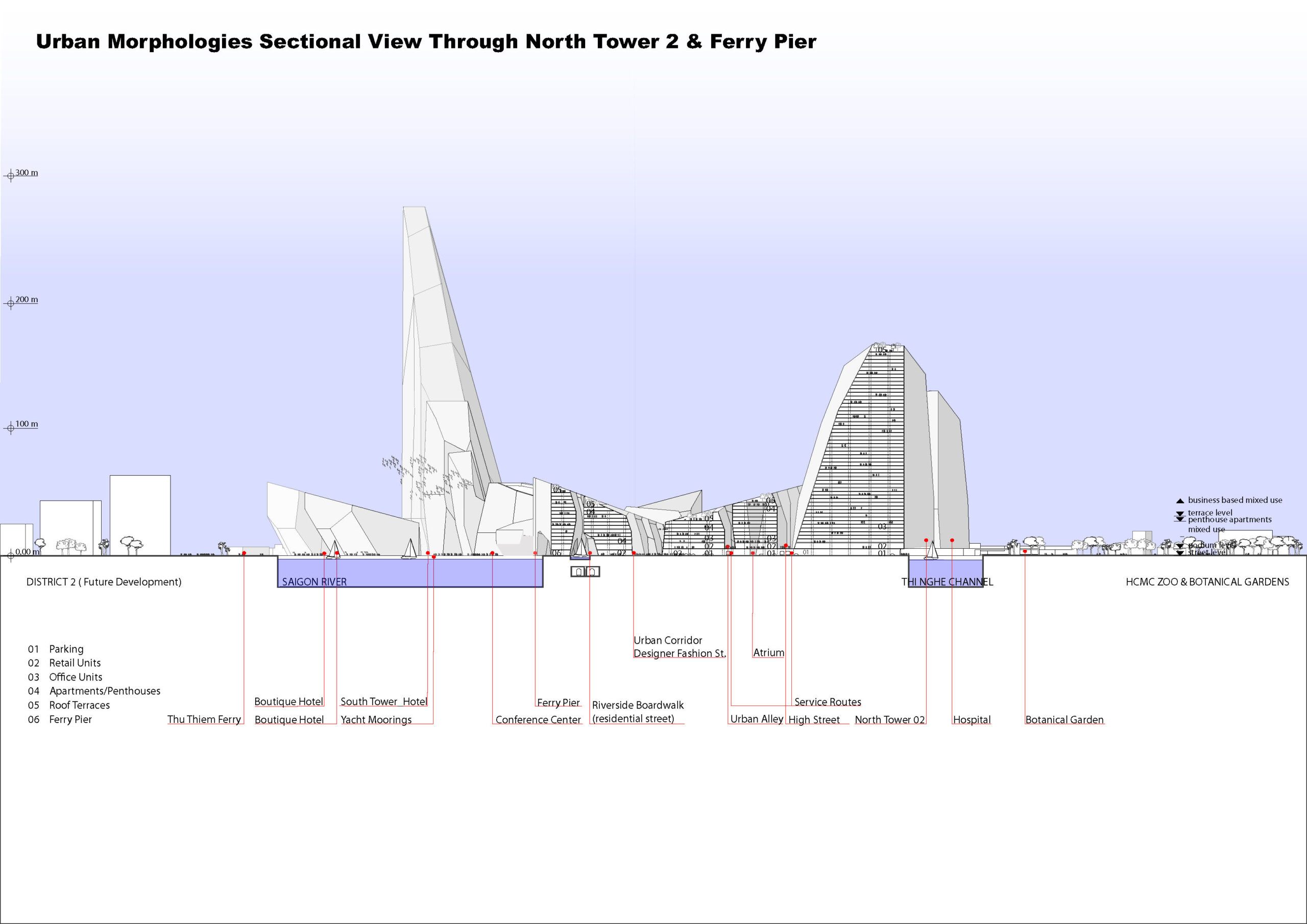
| Urban Strategy | The proposal creates a sequence of urban blocks defining an interior street and an active mixed-use waterfront, structured by two taller towers that frame the district and give it skyline identity. |
| Waterfront Strategy | The former shipyard basin is reimagined as a civic waterfront edge, combining public promenade, mixed-use activity, views across the water and new connections back into the city. |
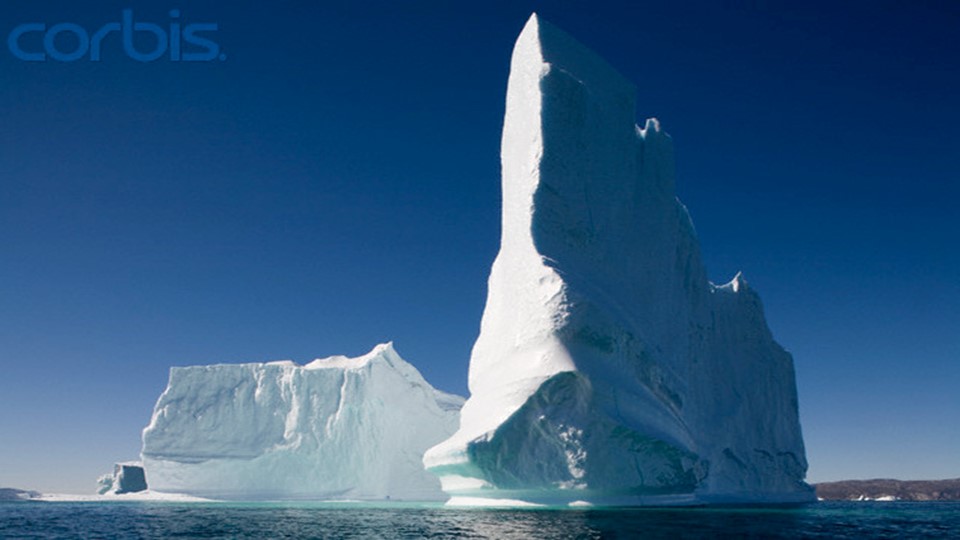
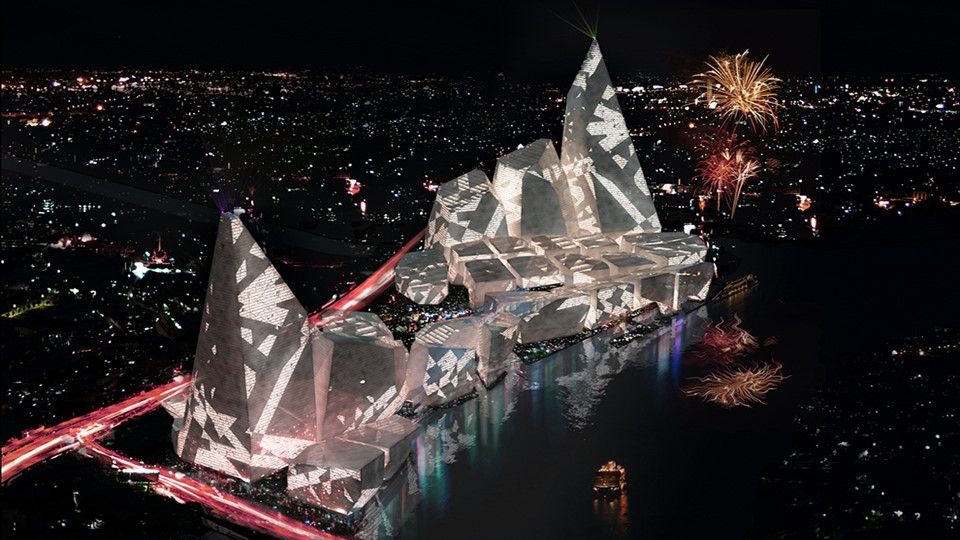
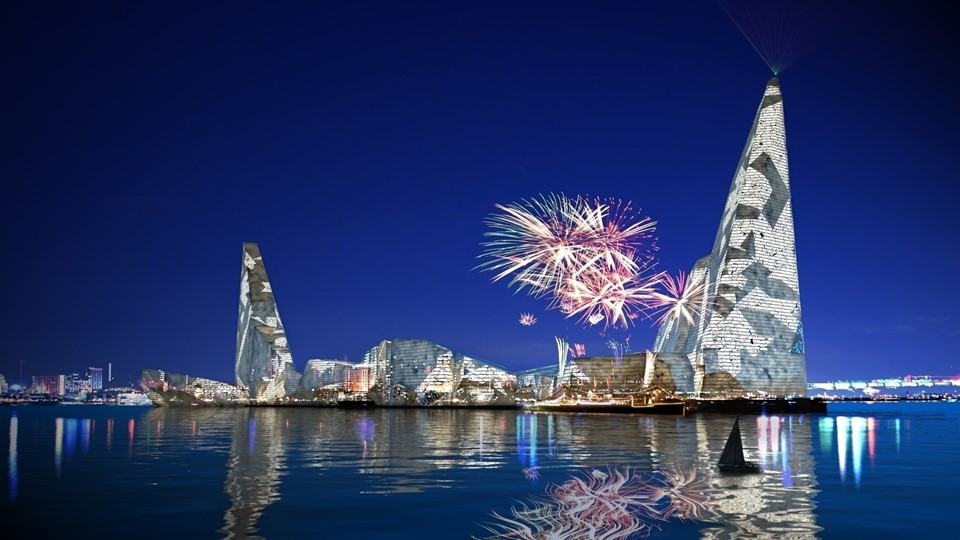
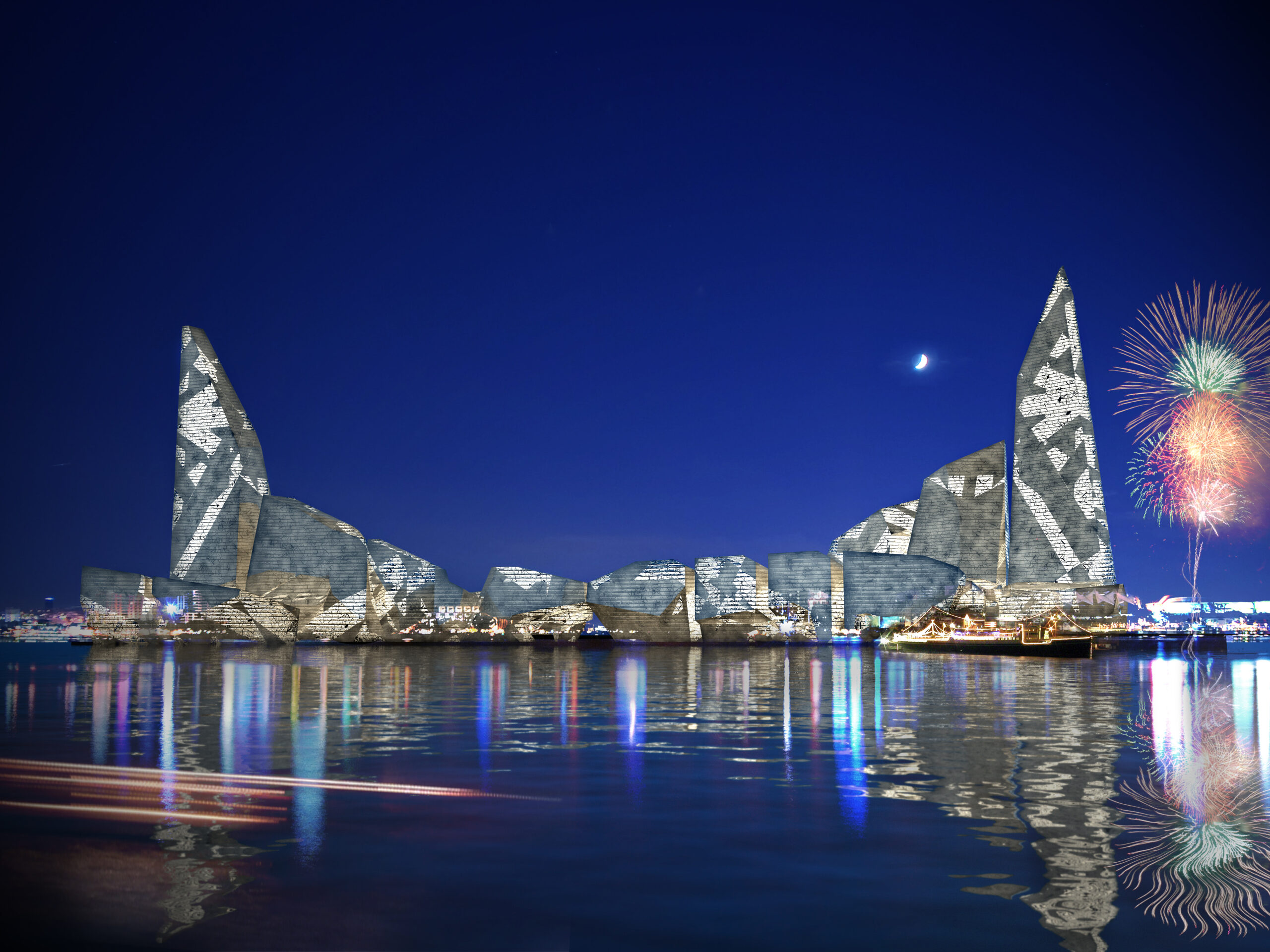
| Design Concept | The massing takes inspiration from icebergs floating on water, using faceted forms, shifting volumes and reflective surfaces to connect the new district to the basin landscape. |
| Environmental Strategy | The project explores sustainable waterfront urbanism through compact mixed-use density, shaded public routes, water-edge cooling, walkable blocks, landscape integration and reduced dependence on car-based development. |
I-City, Ho Chi Minh City is a competition entry for the waterfront redevelopment of the Bason Shipyards in Ho Chi Minh City, Vietnam. Developed by UFO Architecture with Planning Korea and Estream Architecture, the proposal transforms a former industrial shipyard basin into a mixed-use urban district shaped by public space, landscape and waterfront activity.
The project works with the industrial scale and memory of the shipyard while proposing a new civic edge for the expanding city. Rather than treating the waterfront as a line of isolated development plots, the design creates a coherent urban framework of blocks, routes, courtyards, towers and open spaces organised around the basin.
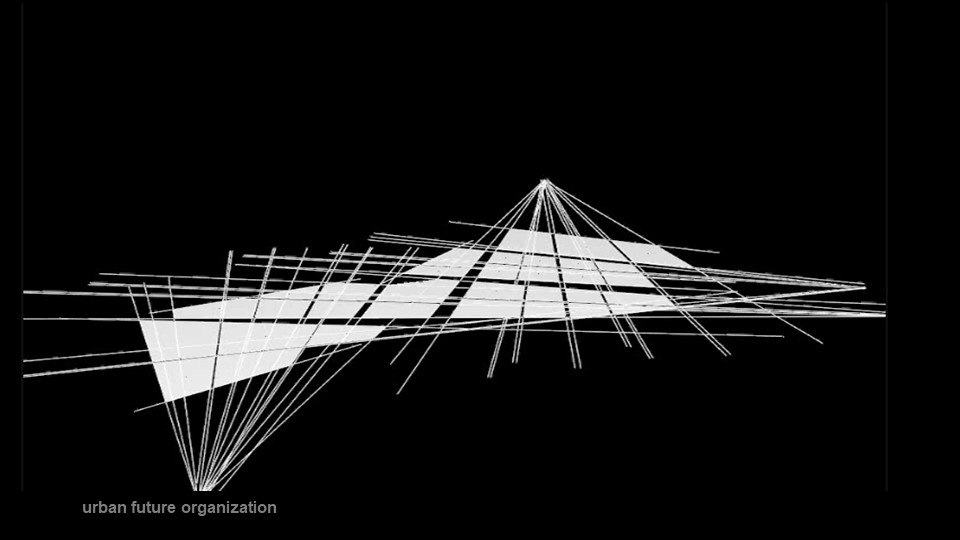
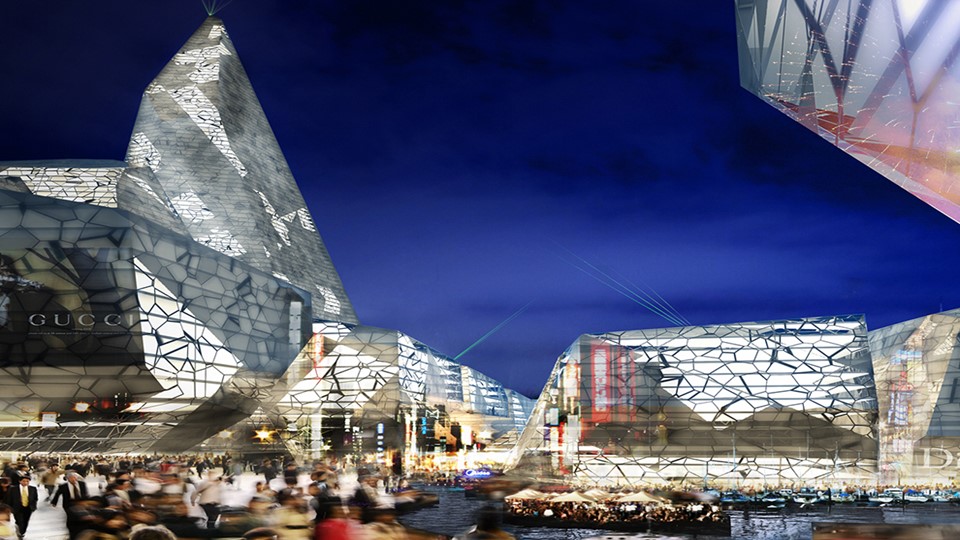
The masterplan is structured as a series of urban blocks that define an interior street and an active mixed-use waterfront. This allows the district to operate at two scales: as a compact urban neighbourhood with sheltered pedestrian routes, and as a larger waterfront destination connected to the city and the river.
Two taller towers flank the development and give the district a clear vertical identity. These towers act as markers within the skyline while helping to concentrate density, freeing more of the ground plane for public realm, landscape, waterfront movement and shared amenities.
The architectural language takes inspiration from icebergs floating on the water. Faceted volumes, shifting surfaces and reflective urban forms create a dialogue between the new development and the shipyard basin, giving the proposal a distinctive identity while reinforcing its relationship to the water.
Public space is central to the project. The waterfront edge is developed as an active promenade with mixed-use frontages, landscape, views and places for gathering. The interior street provides a second layer of urban life, connecting the waterfront to the surrounding city and supporting commercial, residential, hospitality and civic activity.
The proposal reflects UFO Architecture's interest in ecological urban design, waterfront regeneration and high-density mixed-use development. Environmental strategies include compact urban form, shaded pedestrian routes, landscape cooling, water-edge microclimates, walkable connectivity and a stronger relationship between buildings, public space and blue-green infrastructure.
I-City proposes a new model for the transformation of former industrial waterfronts: one where density, public space, industrial heritage, waterfront identity and environmental performance are developed as part of a single urban strategy.